

Who Is Liable for Fallen Tree Damage?
- Mar 22
- 6 min read
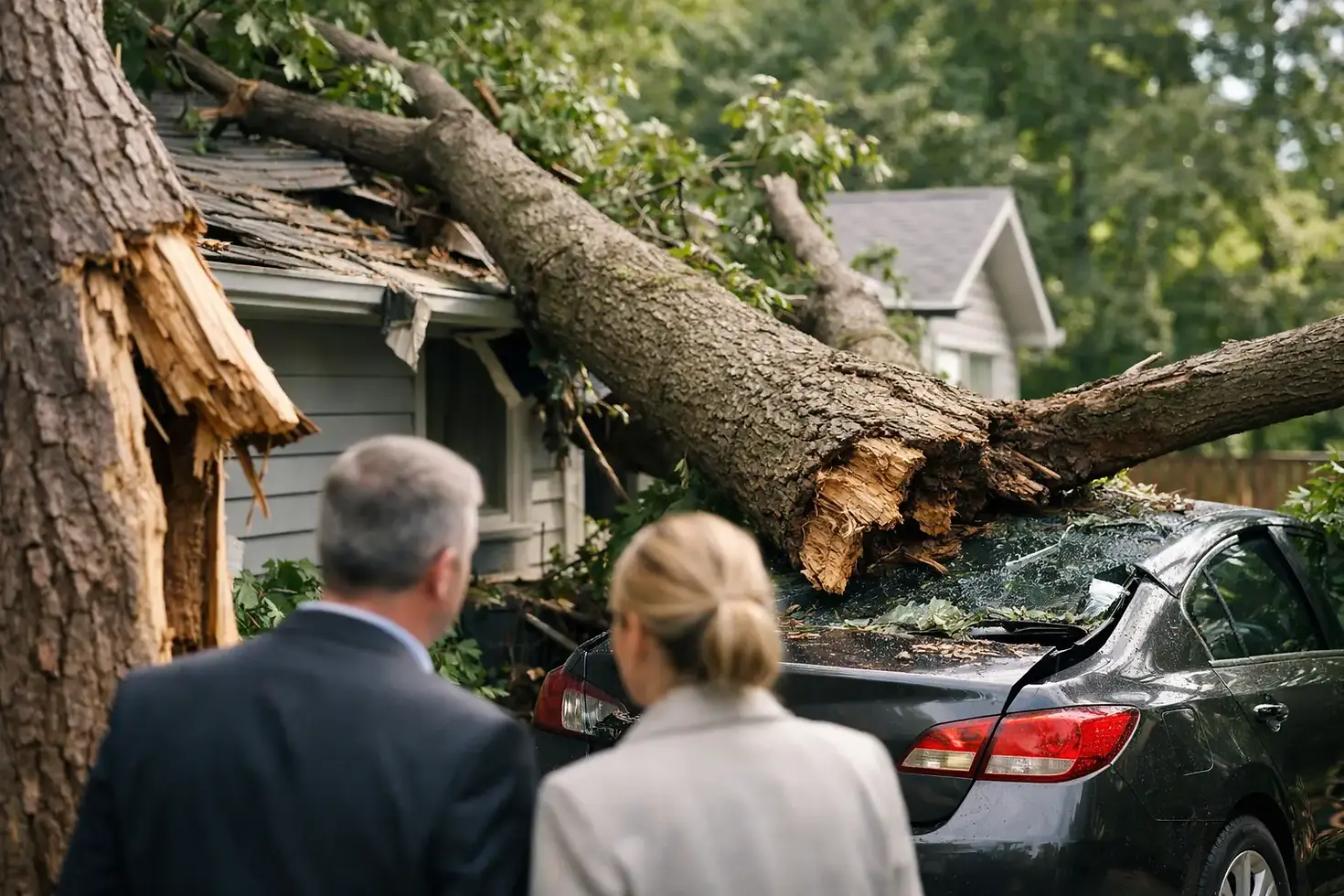
A healthy-looking tree can still come down in high winds, and when it lands on a fence, car, shed or neighbouring roof, the first question is usually the same: who is liable for fallen tree damage? The answer in the UK is not always as simple as “the tree owner pays”. In many cases, liability depends on whether the owner was negligent, what they knew about the tree’s condition, and whether the damage was reasonably foreseeable.
For homeowners, landlords and property managers, that distinction matters. It affects who pays for repairs, whose insurer gets involved, and whether a claim is likely to be disputed. It also explains why regular inspections and sensible maintenance are far more than a cosmetic exercise.
Who is liable for fallen tree damage in the UK?
In general, the owner of the land where the tree stands is responsible for managing that tree. But responsibility for maintenance is not the same as automatic liability for damage.
If a tree falls because of an extreme storm and there was no obvious sign of decay, instability or previous failure, the incident may be treated as an unforeseen event. In that situation, the damaged property owner often claims on their own buildings or motor insurance, rather than pursuing the tree owner directly.
If, however, the tree owner knew - or should reasonably have known - that the tree was unsafe and failed to act, they may be held liable. That could include ignoring a visibly dead tree, leaving a major split limb hanging over a public area, or failing to respond after repeated warnings about decay or root movement.
The key issue is usually negligence. Was the tree owner taking reasonable care, or were there warning signs that should have prompted inspection or remedial work?
Liability often turns on negligence, not ownership alone
This is the point many people miss. Owning a tree does not automatically make you liable every time it fails. Equally, saying “it was an act of nature” does not protect a tree owner if the tree was clearly hazardous beforehand.
A court or insurer will usually look at practical questions. Was the tree obviously dead, diseased or damaged? Had branches failed before? Had a neighbour raised concerns? Was the tree in a location where failure could predictably damage property or injure someone?
Reasonable care does not mean a homeowner must commission constant reports on every tree in the garden. It means paying attention to clear warning signs and seeking professional advice where appropriate. Mature trees need informed management, especially if they overhang buildings, roads, driveways or neighbouring gardens.
What counts as a warning sign?
Common warning signs include fungal growth around the base, large dead limbs, cracks in the trunk, sudden leaning, lifted soil around the roots, cavities, heavy dieback in the crown, or branches rubbing and splitting. After storms, those signs may become more obvious.
Not every defect means a tree is dangerous, and not every dangerous defect is obvious to an untrained eye. That is where a qualified arborist becomes important. A proper assessment gives a clearer picture of risk and shows that the owner has acted responsibly.
When does insurance cover fallen tree damage?
In many cases, insurance is the practical route to resolving a fallen tree claim.
If a neighbour’s tree falls onto your house, garage or fence, your own home insurer may deal with the immediate damage first and then decide whether to recover costs from the neighbour or their insurer. If your car is damaged, it may fall under motor insurance. If the tree has damaged only the owner’s own property, their buildings insurance may respond, depending on the policy.
What insurers usually want to know is whether the tree owner had been negligent. If there is no evidence of neglect, the claim may stay with the damaged party’s insurer. If there is evidence that warnings were ignored or the tree had clearly been left in a dangerous condition, the insurer may try to recover the loss from the tree owner.
Policy wording matters. Excesses, exclusions and limits vary, so it is worth checking the details rather than assuming every element will be covered, especially for boundary fences, outbuildings and garden structures.
If your tree falls onto a neighbour’s property
If a tree from your land falls onto a neighbour’s property, the sensible first step is not to argue liability at the fence. Make the area safe, document the damage and contact your insurer if appropriate.
Take photographs of the tree, the point of failure, and anything that may help show its pre-failure condition. If the tree was inspected previously, keep copies of any reports, quotes or recommendations. If there had been concerns about its condition, honesty is best. Disputes tend to become more expensive when facts emerge later.
If the tree is still unstable or partially suspended, do not attempt to cut it up yourself. Fallen trees can remain under enormous tension and compression, particularly where limbs are twisted through fences or resting on roofs. Emergency work should be handled by trained, properly insured professionals.
If a neighbour’s tree falls onto your property
If the tree came from next door, you still should not assume the neighbour is automatically paying. Start by photographing the damage and contacting your insurer. They will usually advise on the next steps and whether recovery from the neighbour is realistic.
If the neighbour had previously been told that the tree was unsafe, that may support a claim. If there had been no visible issue and the failure was caused by severe weather alone, liability may be harder to establish.
This is where records matter. If you had raised concerns before the incident, copies of messages, letters or emails may help. The same applies if an arborist had already identified defects.
Trees, boundaries and shared confusion
Boundary trees can create extra complications. If the trunk stands wholly within one property, that tree usually belongs to that landowner. If the trunk straddles the boundary, ownership may be shared.
Shared ownership can affect decision-making, maintenance responsibility and how costs are divided. It is one reason why boundary trees should not be left unmanaged simply because each side assumes the other will deal with them.
Overhanging branches are a separate issue. A neighbour may have limited rights to cut back branches to the boundary, but that does not transfer ownership of the whole tree or remove the owner’s broader duty to manage risk responsibly.
Why professional inspections matter
Most tree-related liability problems do not start with the fall itself. They start months or years earlier, when signs were missed, advice was delayed, or work was carried out badly.
An assessment-led approach is the safest one. A qualified tree surgeon can identify structural defects, disease, deadwood, storm damage and site-specific risks that a homeowner may not recognise. Just as importantly, they can recommend proportionate action. That might be pruning, crown reduction, deadwood removal, monitoring, bracing, or in some cases full removal.
There is a balance to strike. Not every large tree is dangerous, and unnecessary removal is rarely the best first answer. But when a tree is declining or poorly positioned near targets such as homes, parked cars or public footpaths, delay can become a costly decision.
For work near structures or after storm damage, using a qualified contractor matters. Standards, training and proper insurance are not paperwork for the sake of it. They reduce the risk of poor cuts, unsafe climbing, preventable failures and disputes over whether work was done competently.
What to do straight after a tree failure
After a tree has fallen, safety comes first. Keep people away from the area, particularly if the tree has brought down cables, damaged a roof, or is hung up on another tree. Then document the scene and notify the relevant insurer.
If emergency works are needed, arrange for a professional team to make the site safe before full clearance begins. Cutting and clearing too quickly can sometimes remove evidence that later helps explain why the tree failed. A careful contractor will understand how to balance safety, access and documentation.
If you are in Worcestershire and need a professional opinion after storm damage or concern about a suspect tree, STN Trees & Landscaping can assess the situation and advise on the safest next step.
The practical way to reduce liability
The best protection is not a legal argument after the event. It is reasonable, documented tree care before anything goes wrong.
That means keeping an eye on mature trees, acting on visible defects, arranging inspections where there is doubt, and using qualified professionals for remedial work. For landlords and property managers, it also means treating tree safety as part of routine property risk management rather than waiting for a complaint after bad weather.
A fallen tree can be an insurance matter, a neighbour dispute, or in the worst cases a serious injury claim. Most of the time, liability comes down to whether someone acted reasonably with the information they had. If you are not sure whether a tree is safe, getting it checked early is usually far cheaper than finding out too late.


Comments