

Can Tree Roots Block Drains? What to Know
- Apr 19
- 6 min read
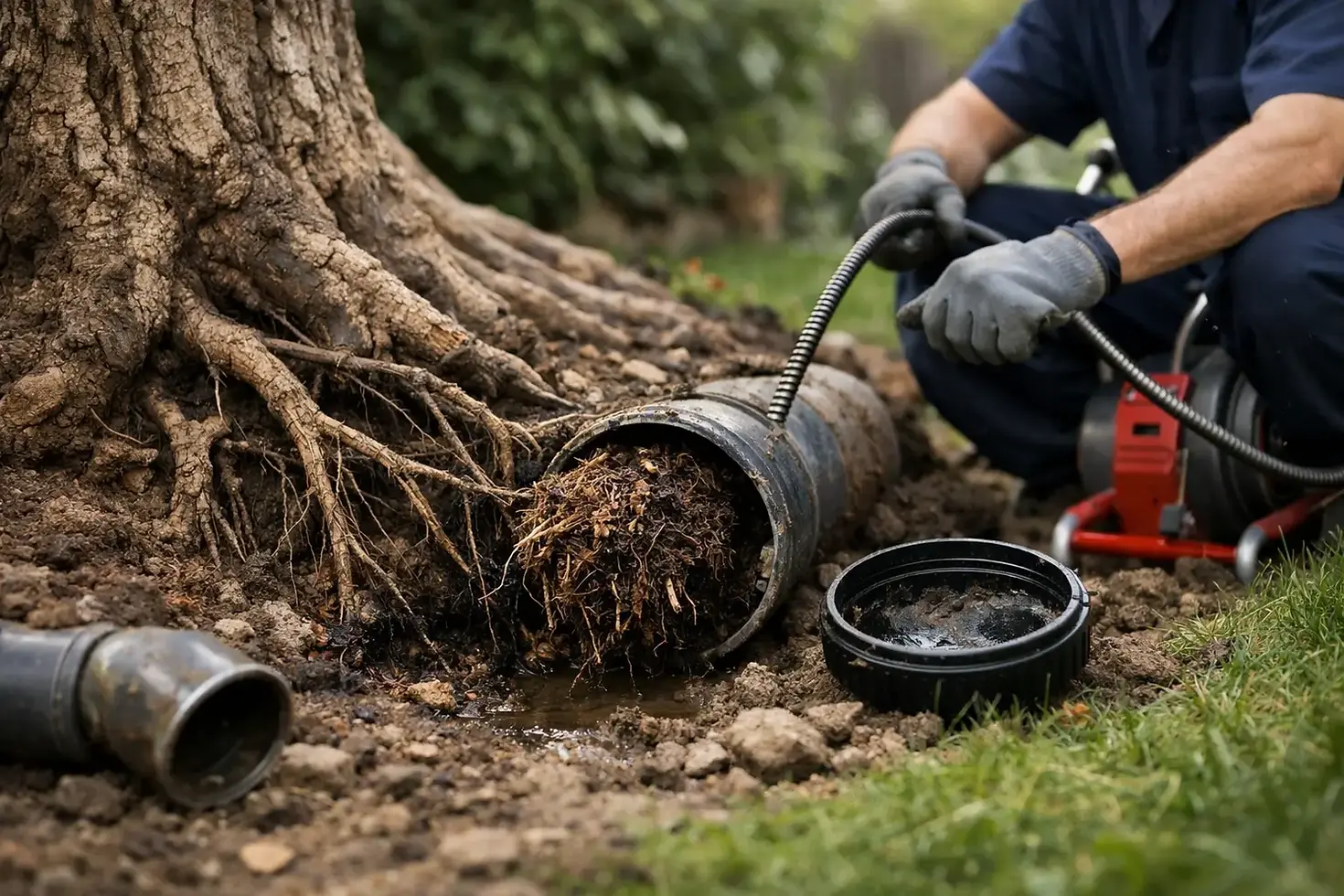
A drain that starts gurgling after rain, a toilet that suddenly backs up, or a patch of unusually lush grass near a pipe run can all point to the same question: can tree roots block drains? Yes, they can - but usually not in the way people first imagine. Roots do not normally smash their way into sound pipework. In most cases, they exploit an existing weakness, then grow where moisture and nutrients are already escaping.
That distinction matters. If you are dealing with blocked drains near a tree, the problem may be partly below ground in the drainage system and partly above ground in the planting or tree management around it. Treating only one side of the issue often leads to repeat problems.
Can tree roots block drains or just damage them?
Tree roots can do both. They can obstruct the flow inside a drain once they have entered it, and they can also worsen cracks, open joints and displaced sections of pipe over time. A healthy root system naturally follows water. If a drain is leaking even slightly, fine feeder roots are drawn towards that moisture source.
At first, those roots may be hair-thin and cause no obvious issue. Over months or years, they thicken and multiply inside the pipe. Waste catches on them, silt builds up, and what began as a minor defect can become a full blockage.
In older properties, this is especially common where drains are made from ageing clay sections with mortar joints. Modern plastic systems are usually more resistant, but poor installation, movement in the ground or previous repairs can still leave entry points.
Why roots target some drains and not others
Roots are opportunistic rather than aggressive. They are not choosing to attack your drainage. They are responding to conditions in the soil.
A sound, watertight drain is far less attractive than one with a cracked section, loose joint or slight leak. The species of tree also matters. Fast-growing, moisture-seeking trees such as willow, poplar and some conifers are often associated with drainage issues because their root systems can be extensive and active. That said, almost any tree or large shrub can contribute if it is planted too close to vulnerable pipework.
Soil type plays a part as well. In drier ground, roots may travel further in search of moisture. In heavier clay soils, seasonal movement can stress pipe joints and make defects more likely. This is one reason a proper assessment matters more than guesswork.
Signs that tree roots may be affecting your drains
The clearest sign is recurring blockage in the same area, especially if rodding or jetting gives only short-term relief. You may also notice slow-draining sinks and toilets, unpleasant smells outside, or gurgling sounds from plugholes.
Outdoors, there can be clues too. Sunken ground, damp patches, or unexpectedly vigorous plant growth over a drain line may suggest leaking wastewater. In some cases, customers first notice the issue after repeated call-outs for drainage clearance with no lasting fix.
These signs do not confirm roots on their own. Fat, wipes, scale build-up and collapsed pipe sections can produce similar symptoms. A CCTV drain survey is usually the most reliable way to identify whether roots are present, how severe the intrusion is, and whether the pipe itself has failed.
When the tree is not the real problem
This is where honest advice matters. The presence of a nearby tree does not automatically mean the tree should be heavily cut back or removed. If roots are found inside a drain, there is almost always an existing defect in the system that allowed entry.
Removing the tree without repairing the drain may not solve the issue fully, especially if other nearby planting can exploit the same leak. On the other hand, repairing the drain but ignoring a large, poorly positioned tree with a very active root system may leave pressure on the surrounding area.
The right answer depends on the age of the drain, the tree species, the distance between tree and pipe, the value of the tree, and the level of damage already present. It is rarely a one-size-fits-all job.
Can tree work help if roots are blocking drains?
Sometimes, yes - but it depends what type of tree work is being considered and what the drainage findings show.
Crown reduction or thinning does not directly remove roots from a drain, and it should never be sold as a guaranteed cure for root intrusion. Trees do not respond in a perfectly simple way underground when pruned above ground. In some situations, careful management of tree size and water demand can form part of a wider plan, but it is not a substitute for drainage repair.
Root pruning is more sensitive still. Cutting roots without a proper arboricultural assessment can destabilise a tree, reduce its health, or create safety risks. It may also be ineffective if the defective drain remains in place. Where root pruning is considered, it should be based on the tree species, root size, likely impact on stability, and the amount of root loss the tree can realistically tolerate.
Tree removal may occasionally be the most practical option, particularly where a low-value or unsuitable species is causing repeated issues close to ageing infrastructure. Even then, the drain usually still needs repair. Removal alone does not close cracks or reseal joints.
What a sensible solution usually looks like
The best outcomes usually come from a coordinated approach. First, confirm the cause with drainage inspection rather than assumptions. If roots are present, the drain may need to be cleared and then repaired, relined or replaced depending on condition.
Only after that should tree management be considered. Sometimes the recommendation is to retain the tree and fix the pipe properly. Sometimes it is to carry out selective pruning, improve future monitoring and leave the tree in place. In other cases, especially where the tree is poorly located or in decline, removal and replacement planting may be the more responsible long-term decision.
A careful contractor should be prepared to say when tree work is not the first fix. That is part of doing the job properly.
Can tree roots block drains in newer properties?
They can, although it is less common if the drainage has been installed well and remains intact. Newer plastic pipe systems with sealed joints are generally less vulnerable than older clay drains. Still, no system is immune if there has been settlement, accidental damage from later building work, or poor workmanship.
New-build gardens can also be deceptive. A tree planted as a small specimen may seem harmless for several years, then become a concern as it matures. Planning the right species in the right place is one of the simplest ways to avoid expensive disputes between landscaping, drainage and structural concerns later on.
For landlords and property managers, this is worth paying attention to before a minor maintenance issue turns into tenant complaints, emergency drainage call-outs and remedial tree work all at once.
Preventing future problems
Prevention is usually more cost-effective than repeated reactive work. If you are redesigning a garden, adding fencing, laying a patio or carrying out wider landscaping, it makes sense to understand where key services and drains run before planting larger trees or hedging.
Choosing appropriate species for the available space is equally important. Fast-growing trees have their place, but not always near buildings, boundary walls or drainage routes. Regular inspection of mature trees can also help identify whether growth, vigour or location may need more active management.
Where established trees already exist near drains, the practical step is not panic. It is monitoring. If drainage issues start appearing, get the pipework checked early. A small repair is far easier to deal with than a prolonged blockage combined with worsening root ingress.
In Worcestershire, where many properties combine older drainage systems with mature gardens, this balance between preserving useful trees and protecting infrastructure is quite common. The answer is usually not to remove everything. It is to assess carefully and act proportionately.
For homeowners, the main thing is not to ignore repeated symptoms. For commercial sites, it is worth building drainage and tree inspections into routine property maintenance, especially where presentation, access and safety matter.
If you suspect roots are involved, the most helpful next step is to get clear evidence of what is happening below ground and then take advice from qualified professionals who will look at both the tree and the wider site conditions. A good tree should not be removed lightly, but nor should a drainage problem be left to become a much bigger repair.


Comments